
Leading Products For Septic Installations To Ensure Reliable Performance
Explore top-rated septic installation products designed to maximize efficiency, durability, and ease of maintenance for your system.
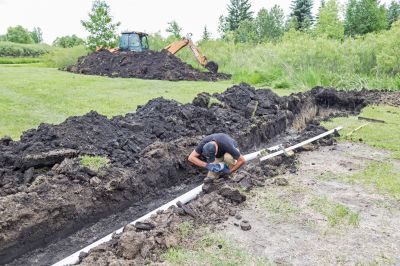 Septic installation projects require a range of specialized products to ensure proper function and longevity of the system. From initial site preparation to the final connections, selecting the right components is essential for a reliable setup. Properly chosen products can help prevent common issues such as clogs, leaks, and system failures, thereby maintaining the health of your septic system over time. It is important to understand the different types of products involved, their functions, and how they fit into your specific installation needs.
Top Overall Option
Septic System Installation Kit
A comprehensive septic system installation kit includes a variety of essential components such as tanks, piping, fittings, and accessories designed for ease of installation and compatibility. These kits are suitable for DIY projects or professional setups, offering a balanced combination of durability and convenience. They typically come with detailed instructions to assist with proper assembly and connection, helping ensure a secure and functional septic system.
Types of Products For Septic Installations
Septic Tanks
Precast or plastic septic tanks designed to hold and treat waste efficiently underground.
Piping and Conduits
Durable PVC or ABS pipes for underground waste transport and distribution.
Distribution Boxes
Components that evenly distribute effluent to drain fields or absorption areas.
Inspection Ports
Access points for inspection and maintenance of septic tanks and pipes.
Fittings and Connectors
Various elbows, couplings, and adapters for secure pipe connections.
Aeration Systems
Equipment to promote oxygen flow and improve waste breakdown in the tank.
Pump Systems
Pumps used for moving waste or effluent between system components.
Filter Media
Materials used to prevent solids from entering drain fields and clogging pipes.
Drain Field Accessories
Components like gravel beds and perforated pipes for effective effluent dispersal.
Septic Additives
Chemical or biological agents to enhance waste decomposition.
Water Level Monitors
Devices to monitor tank levels and prevent overflows.
Lids and Covers
Heavy-duty covers for access points that ensure safety and durability.
Popular Choices
Popular accessories include inspection ports, lids, and maintenance kits for ongoing system care.
Commonly used piping options for underground waste transport, available in various diameters.
Widely selected for even distribution of effluent across drain fields.
Complete kits for fixing leaks, cracks, or other system issues.
Filters that prevent solids from clogging drain field components.
Alarm systems that alert homeowners to high tank levels or malfunctions.
Flexible options for drain field installation, facilitating even effluent dispersal.
Tools and chemicals designed for routine cleaning and upkeep.
Biological agents used to support waste breakdown in septic tanks.
Heavy-duty, secure lids for access points, available in various sizes.
Aggregate material used to support drain pipes and facilitate effluent absorption.
Equipment to aerate septic tanks and promote biological activity.
Septic systems typically involve multiple elements including tanks, piping, distribution boxes, and treatment accessories. Each component must meet certain standards to ensure compatibility and performance. For example, durable piping materials are crucial for long-term underground use, while fittings and connectors need to provide secure, leak-proof connections. Additionally, accessories such as inspection ports and cleanouts facilitate maintenance and troubleshooting, making ongoing system management easier.
Choosing the right products also involves considering the size and capacity of your septic system. Larger households or commercial setups may require more robust components to handle increased waste flow, while smaller systems might prioritize compact and easy-to-install options. Compatibility with existing infrastructure, ease of installation, and durability are other important factors to keep in mind. Investing in quality components can help reduce maintenance costs and extend the lifespan of your septic system.
Ultimately, a well-planned septic installation involves selecting products that align with your site conditions, usage needs, and local regulations. Consulting with a professional can provide valuable insights into the most suitable products for your specific situation. Proper product selection and installation are key to maintaining a safe, efficient, and trouble-free septic system for years to come.
Key Buying Considerations
- Compatibility with existing system components and layout
- Material durability and resistance to underground conditions
- Proper sizing based on household or property waste volume
- Ease of installation and maintenance requirements
- Local building codes and septic regulations compliance
- Availability of replacement parts and accessories
- Capacity for future expansion or upgrades
- Cost-effectiveness over the system's lifespan
- Resistance to corrosion and environmental factors
- Ease of access for inspection and servicing
- Manufacturer reputation and product reviews
- Warranty and customer support options
- Compatibility with waste treatment additives or biological agents
- Weight and handling considerations for installation
- Availability of comprehensive kits versus individual components