Cost-Effective Septic Installation Options for Homes and Business
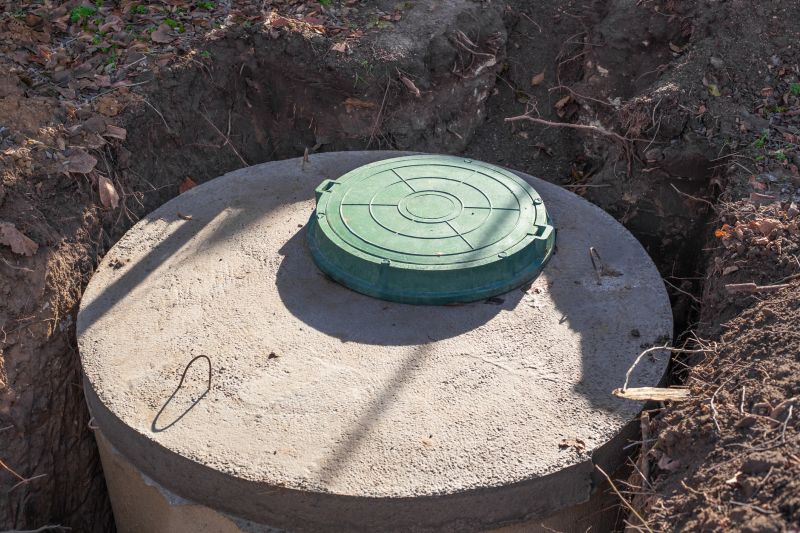
Construction of septic systems involves excavation, installation of tanks, and distribution fields to ensure proper waste management.
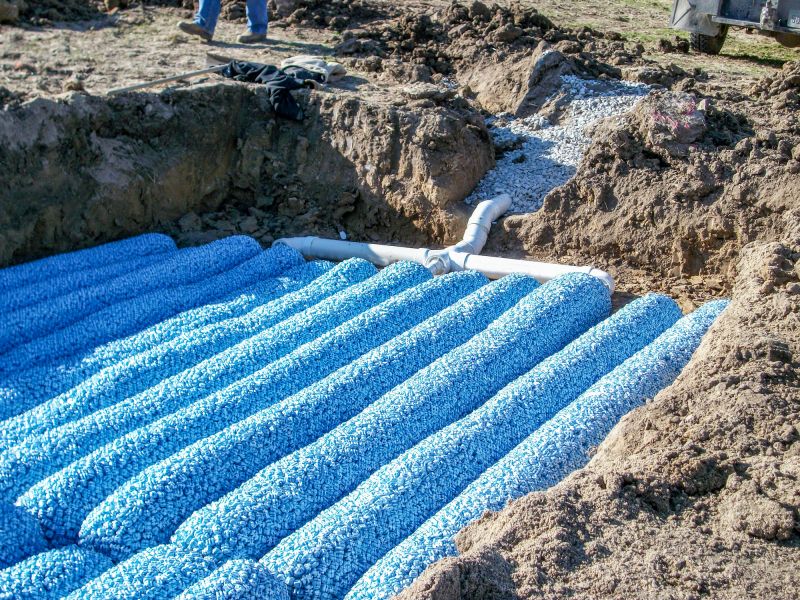
Septic tanks are carefully positioned and connected to the drain field, ensuring optimal functionality and longevity.
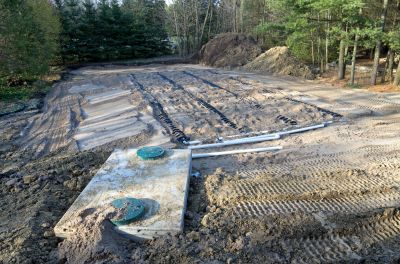
Finished septic installations are inspected to confirm compliance with standards and proper operation.
Septic installations are essential for managing wastewater in areas without access to municipal sewage systems. Properly installed septic systems can last for decades when maintained correctly, with typical installation times ranging from one to three days depending on site conditions and system complexity. The process involves site assessment, design, excavation, tank placement, and connection to drain fields, all of which require precise execution to prevent future issues.
Hiring a professional for septic installation ensures adherence to local regulations and industry standards. Experienced technicians evaluate soil conditions, determine appropriate system size, and handle all technical aspects to guarantee effective waste treatment. Proper installation minimizes the risk of leaks, backups, and environmental contamination, making it a worthwhile investment for property owners.
Professional septic installation typically takes between one and three days, depending on site conditions and system complexity.
Site assessment, design planning, excavation, tank placement, and connection to the drain field are the primary steps involved.
Ensures compliance with standards, reduces future repair costs, and promotes system longevity.
Conventional gravity systems, pressure distribution systems, and mound systems are among the common options.
Proper planning and execution during septic installation are crucial for system efficiency and durability. Site-specific factors such as soil type, water table level, and property size influence system design and placement. Experienced installers utilize specialized equipment and techniques to ensure the system functions correctly from the outset.
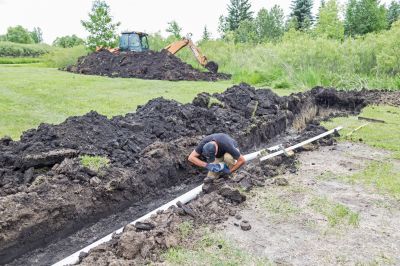
Inspections verify that the installation meets all regulatory and safety standards.
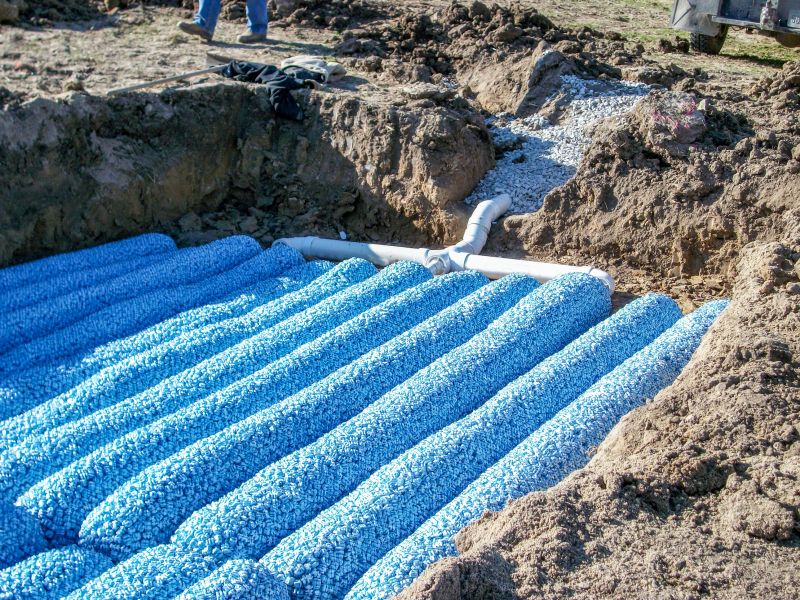
The drain field is carefully designed and constructed to facilitate proper wastewater dispersal.
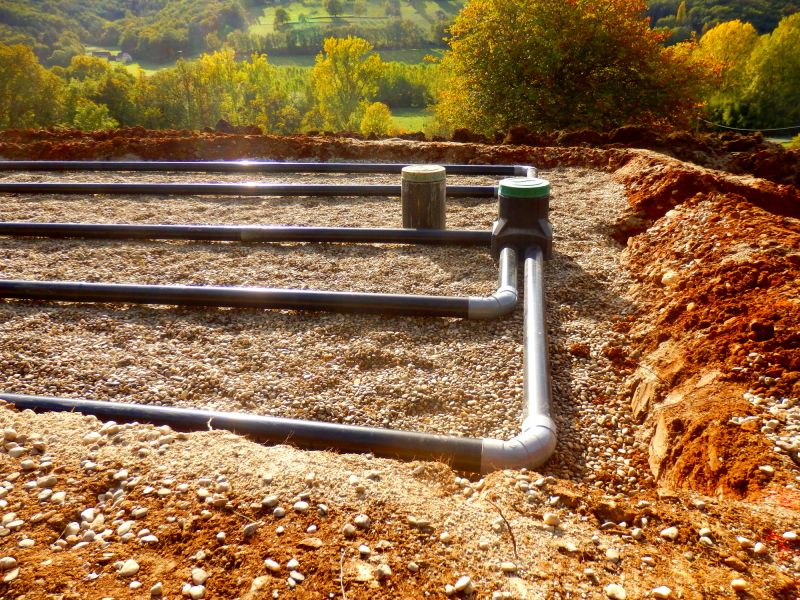
A comprehensive check ensures that all components are functioning properly before use.
The completed septic system should be thoroughly inspected to confirm proper operation and compliance. Regular maintenance and periodic inspections help extend the lifespan of the installation and prevent potential failures. Engaging professionals for installation and follow-up checks provides peace of mind and reliable wastewater management.
Individuals interested in septic installations are encouraged to contact for detailed information and quotes. Properly installed systems are a vital component of property infrastructure, supporting effective waste treatment and environmental protection.