Septic Field Installation in Denver, CO
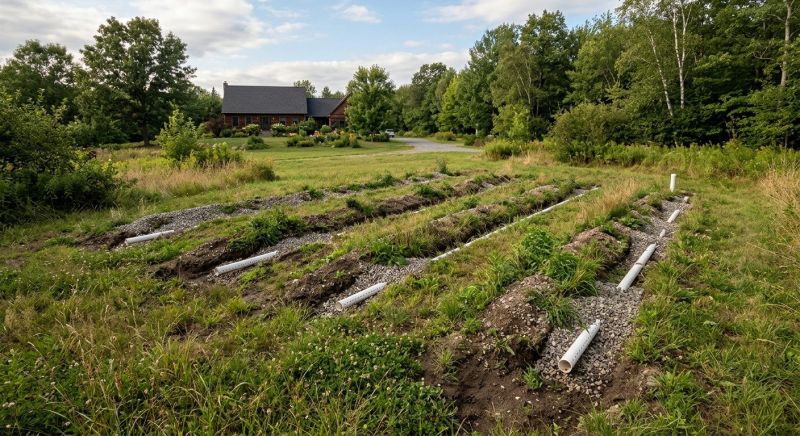
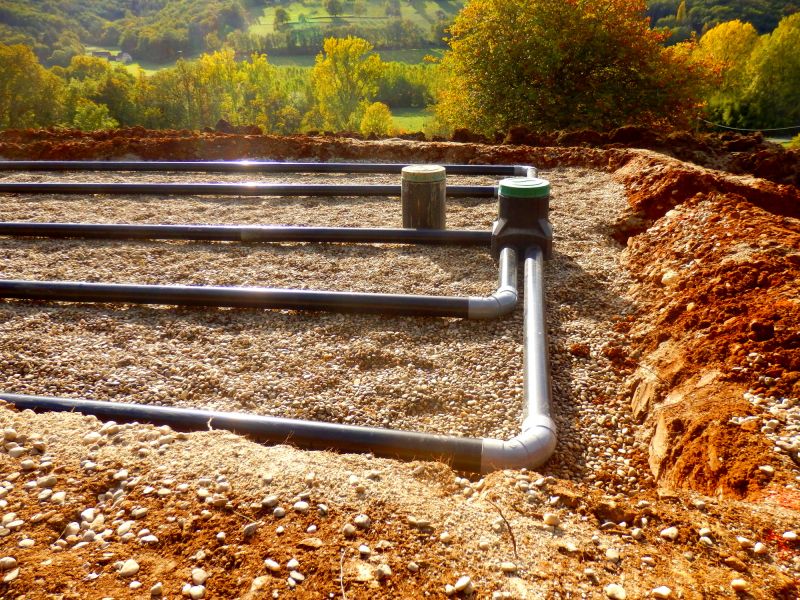
Septic field installation involves setting up the underground drain field that treats and disperses wastewater from a property’s septic system. This service is essential for homes that rely on a septic system rather than municipal sewer lines. Projects typically include installing new drain fields for newly built homes, replacing aging or failing fields, or expanding existing systems to accommodate property upgrades. Property owners often want to understand the size and type of septic field needed based on their property’s size, soil conditions, and usage needs, ensuring proper function and compliance with local regulations.
Before requesting septic field installation, homeowners should consider factors such as property layout, soil permeability, and proximity to water sources or wells. It’s also helpful to know if any existing septic components need to be removed or integrated into the new system. Understanding these details can help determine the appropriate system design and placement, ensuring efficient wastewater management and long-term system performance. Contacting a professional for guidance can provide clarity on site requirements and help plan for a successful installation.
Many property owners in Denver, CO look into Septic Field Installation for repairs, replacements, upgrades, and appearance-related improvements.
Septic Field Installation Services
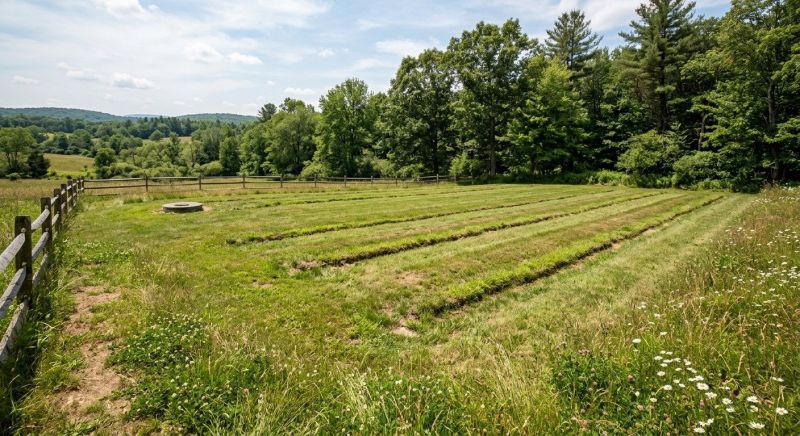
Examples of septic field installation work property owners may explore in denver, co.
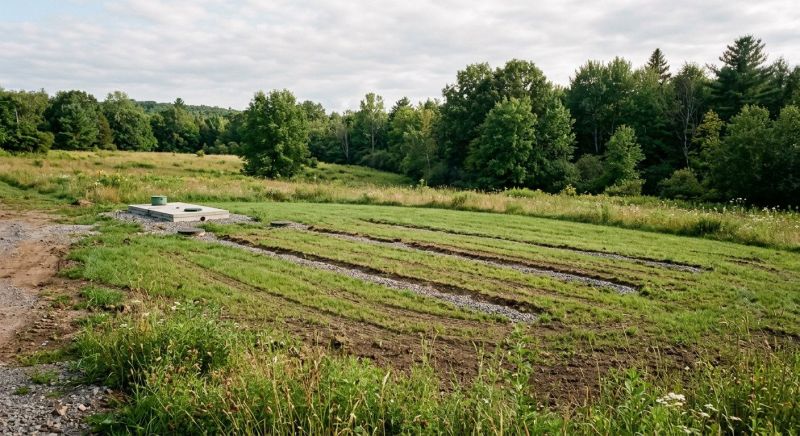
Septic Field Installation Updates
Common ways people refresh, improve, or restore septic field installation features in denver, co.
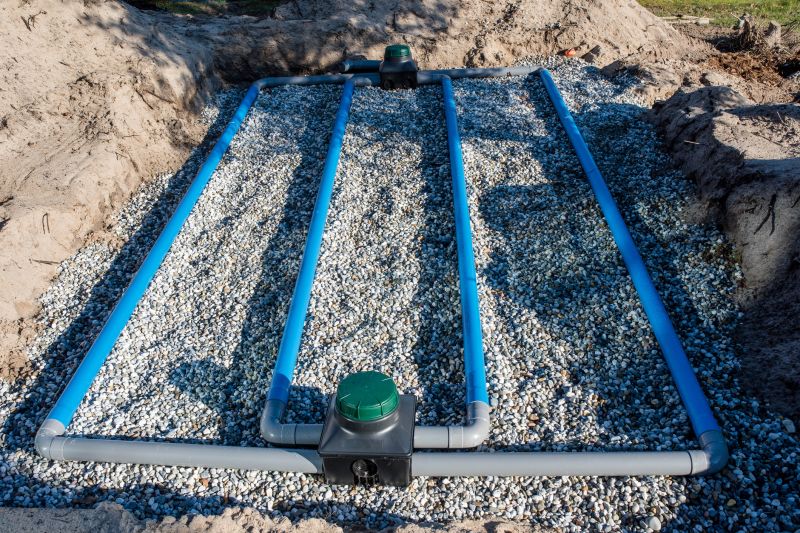
Septic Field Installation Options
Different styles, layouts, and finishes people consider for septic field installation in denver, co.
Septic Field Installation in Denver, CO

Septic field installation involves setting up the underground drain field that treats and disperses wastewater from a property’s septic system. This service is essential for homes that rely on a septic system rather than municipal sewer lines. Projects typically include installing new drain fields for newly built homes, replacing aging or failing fields, or expanding existing systems to accommodate property upgrades. Property owners often want to understand the size and type of septic field needed based on their property’s size, soil conditions, and usage needs, ensuring proper function and compliance with local regulations.
Before requesting septic field installation, homeowners should consider factors such as property layout, soil permeability, and proximity to water sources or wells. It’s also helpful to know if any existing septic components need to be removed or integrated into the new system. Understanding these details can help determine the appropriate system design and placement, ensuring efficient wastewater management and long-term system performance. Contacting a professional for guidance can provide clarity on site requirements and help plan for a successful installation.
Many property owners in Denver, CO look into Septic Field Installation for repairs, replacements, upgrades, and appearance-related improvements.
Common Septic Field Installation Jobs
Septic Field Installation - Proper installation ensures effective wastewater treatment for homes and properties.
Septic System Design - Customized designs optimize space and soil conditions for long-term performance.
Drain Field Setup - Installing drain fields helps prevent backups and groundwater contamination.
Soil Testing and Site Evaluation - Assessing soil and site conditions ensures suitable placement and system longevity.
Septic System Replacement - Replacing outdated or failing systems maintains proper sewage management.
Permitting and Site Preparation - Coordinating with local regulations and preparing the site for seamless installation.
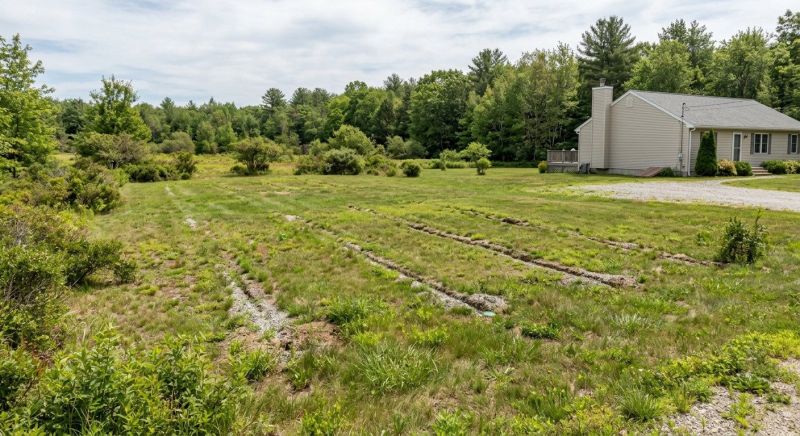
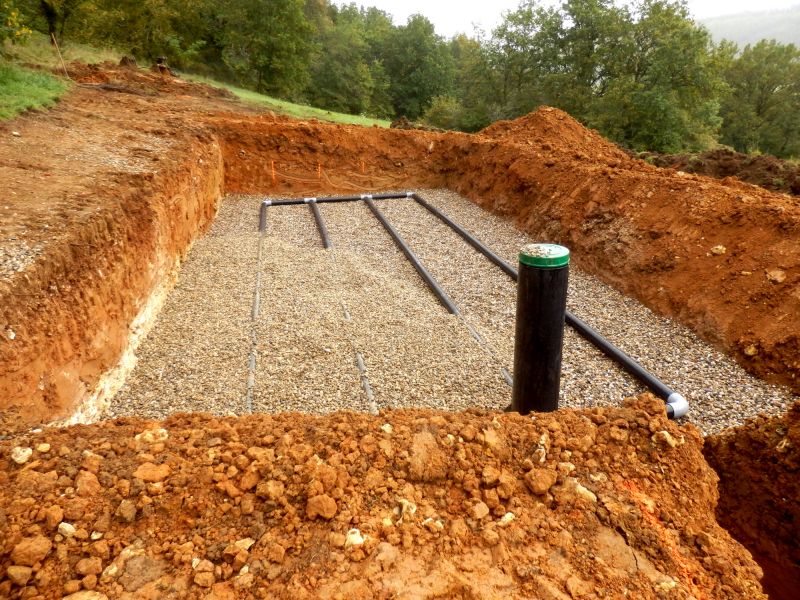
Septic Field Installation Questions
What is a septic field installation? It involves setting up a drainage system that safely treats and disperses wastewater from a property.
How do I know if my property needs a new septic field? Signs include standing water, foul odors, or backups in plumbing fixtures, indicating the current system may be failing.
What types of septic fields are available? Common options include traditional gravel beds and alternative systems like mound or drip distribution based on site conditions.
What factors influence septic field placement? Soil type, property size, and local regulations are key considerations for proper installation location.
Request Septic Field Installation in Denver, CO
Use the quote form on this page to share the basics of your project and request more information for the type of work you need.