Key Steps in a Professional Septic System Installation
People seeking septic system installation are typically looking to ensure proper waste management, and local service providers can assist with expert installation of key system components.
Understanding the key steps in a professional septic system installation can help property owners make informed decisions and ensure their systems are set up correctly. Whether planning a new installation or upgrading an existing setup, knowing what to expect can simplify the process and prevent potential issues down the line. Local service providers are experienced in guiding property owners through each stage, from site assessment to final setup, making it easier to navigate the complexities involved in septic system installation.
For property owners in the area, exploring this topic is practical for ensuring the longevity and proper functioning of their septic systems. Working with local contractors who specialize in septic system installation means tapping into expertise that understands regional soil conditions, local regulations, and site-specific considerations. Keep reading to discover the essential steps involved and learn how trusted local professionals can assist in achieving a reliable, efficient septic system tailored to your property’s needs.
- Site Evaluation Services - homeowners planning for septic system installation may need site evaluations to determine suitable locations, and local contractors assess soil conditions and topography.
- Design Planning Services - individuals seeking a professional septic system installation require detailed design plans, which local service providers develop based on site specifics.
- Permitting Assistance - those installing a septic system often need help navigating local regulations, with service providers guiding clients through permit applications.
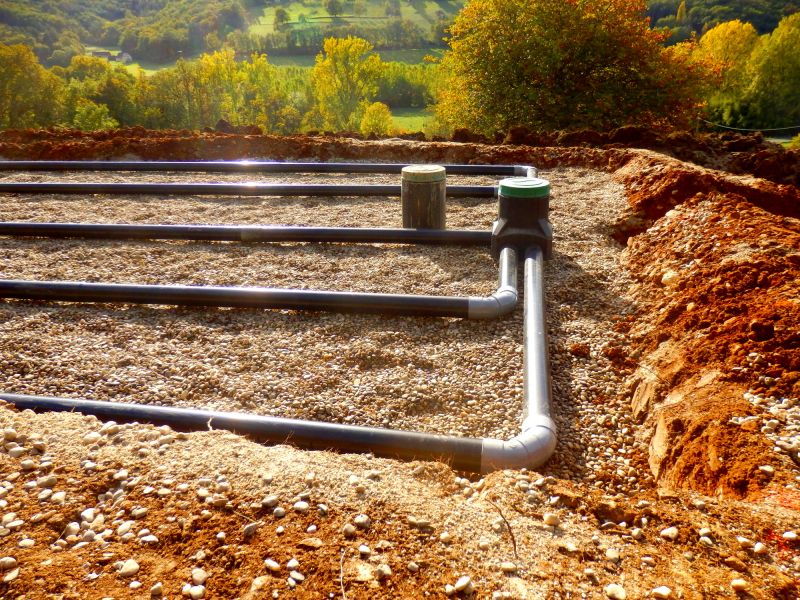
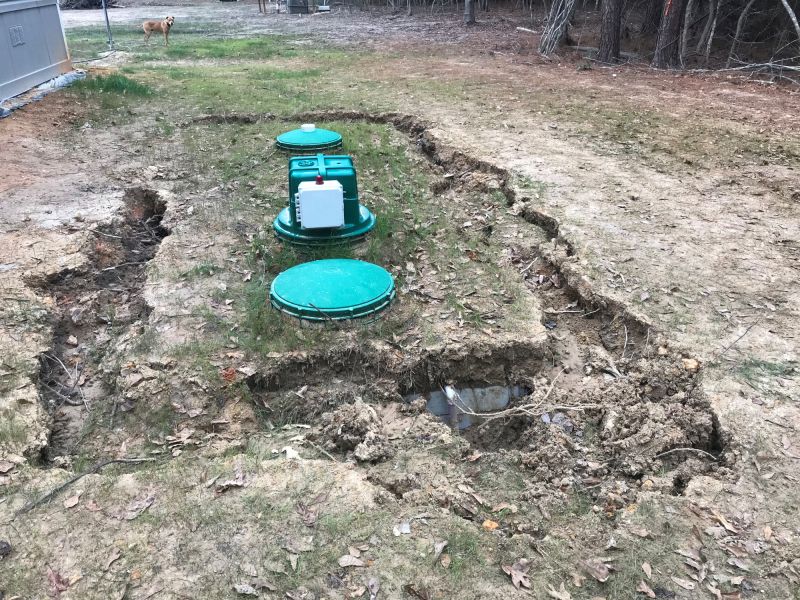
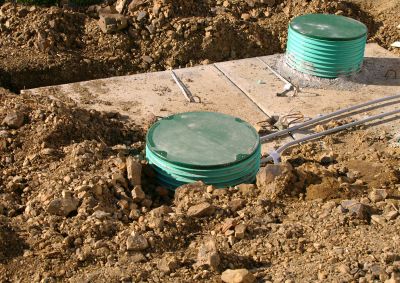
- Excavation and Installation Services - when it's time to install the system, local pros handle excavation and proper placement of components according to key steps in a professional septic system installation.
- System Testing and Inspection Services - after installation, homeowners may require testing and inspections, which local contractors perform to ensure the system functions correctly.
Understanding the key steps in a professional septic system installation is essential for homeowners planning to add or upgrade this critical component of their property. When searching for this topic, many people are looking for guidance on what the process involves, from initial planning through final setup. Property owners often face questions about how the system will be designed to fit their land, what permits or regulations might apply, and how to ensure the installation is done correctly. These considerations are especially relevant for those building new homes, expanding existing structures, or replacing aging systems that no longer meet the needs of their household or property.
Septic system installation is closely linked to various property plans and issues. For example, land development projects, renovations, or property purchases often require a functioning septic system to meet local health and building codes. Problems such as poor drainage, backups, or foul odors can signal the need for a new or upgraded system. Homeowners may also be exploring options to improve the efficiency of their existing setup or to address limitations posed by their land’s topography and soil conditions. In all these situations, understanding the key steps involved in a professional installation helps ensure the project proceeds smoothly and meets necessary standards.
The types of properties that typically come up in discussions about septic system installation include rural homes, properties without access to municipal sewer lines, and some suburban residences on large lots. These properties often rely on septic systems because connecting to city sewer services isn’t feasible or economical. Additionally, properties with challenging soil conditions or those located in areas with strict environmental regulations may require specialized installation approaches. Homeowners with these properties usually seek local service providers who can assess their land, recommend suitable system types, and execute the installation with attention to detail and compliance.
For homeowners considering a septic system installation, understanding the key steps involved can clarify what to expect from local contractors. These steps generally include site evaluation, system design, obtaining necessary permits, excavation and installation, and final system testing. Each phase plays a vital role in ensuring the system functions properly and lasts for years to come. Local pros experienced in septic system installation are equipped to handle these steps efficiently, providing guidance tailored to the specific property and local regulations. Connecting with these service providers helps homeowners navigate the process confidently and ensures that the installation aligns with their property’s unique needs.
Drain Field Installation - This project involves planning and constructing underground drainage systems, requiring similar site assessment and excavation skills as septic system installation.
Soil Testing and Site Evaluation - Accurate soil testing is essential for proper septic system design and is a common preliminary step in various underground utility projects.
Septic Tank Replacement - Replacing or upgrading septic tanks involves similar preparation, excavation, and installation processes as initial septic system setup.
Drainage System Repair - Repairing existing drainage or septic components demands knowledge of underground piping and soil conditions, akin to installing new systems.
Utility Excavation Services - Excavation for utility lines or irrigation systems shares foundational skills with septic system installation, including site planning and trenching.
Site Grading and Land Clearing - Preparing land for septic systems often overlaps with grading and clearing projects that require heavy equipment and planning expertise from local contractors.
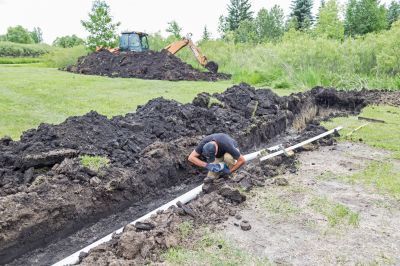
When evaluating service providers for a septic system installation, it’s important to consider their experience with similar projects. Homeowners should inquire about the types of septic systems they have installed and whether they have worked on properties comparable in size and soil conditions. Contractors with a history of successfully completing projects similar to the one at hand are more likely to understand the specific challenges involved and follow the key steps in a professional septic system installation effectively. This experience can contribute to a smoother process and help ensure that the system functions properly over the long term.
Clear, written expectations are essential when comparing local contractors for septic system installation services. Homeowners should seek detailed estimates or proposals that outline the scope of work, materials to be used, and the sequence of key steps involved in the installation. Having this information in writing helps prevent misunderstandings and provides a basis for comparing different service providers objectively. Well-documented expectations also demonstrate a contractor’s professionalism and commitment to transparency, which can make the selection process more straightforward.
Good communication and reputable references are critical factors to consider when choosing local service providers. Homeowners should look for contractors who are responsive to questions and provide clear explanations about the installation process. Additionally, requesting references from previous clients can offer insight into the contractor’s reliability and the quality of their work. Service providers with a strong reputation for professionalism and open communication are more likely to facilitate a smooth installation process, ensuring that key steps are followed correctly and that any concerns are addressed promptly.
Property owners often search for key steps in a professional septic system installation when they are planning practical projects around their homes and businesses. Local pros provide Septic System Installation services for everyday jobs and straightforward project options.
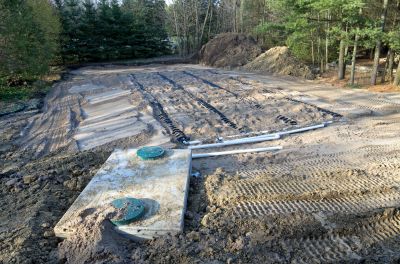
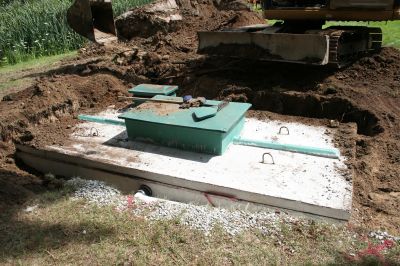
Understanding the key steps in a professional septic system installation can help property owners feel more prepared when planning for this important upgrade. Many local residents seek out this information to ensure their property’s wastewater management is properly designed and installed, especially when building new homes or replacing outdated systems. Property owners often look into the process to better understand what to expect, from site assessment and soil testing to system design and installation, so they can choose experienced local contractors to handle each stage efficiently and correctly.
When considering septic system installation services, property owners typically want to work with trusted local service providers who understand the area's soil conditions and regulations. Finding the right local contractors can help ensure that each step-from obtaining necessary permits to final inspection-is managed smoothly. By understanding these key steps, property owners can make informed decisions and connect with local pros who have the expertise to install a septic system that functions reliably and meets all local standards.
What are the initial steps in a professional septic system installation? Local contractors typically start with site evaluation and soil testing to determine the best location and system type for the property.
How do professionals prepare the site for installation? They clear the area, mark the location of the septic tank and drain field, and ensure proper access for equipment and future maintenance.
What is involved in installing the septic tank and drain field? Skilled service providers excavate trenches, position the tank and pipes correctly, and install the drain field according to best practices.
How do experts ensure the system is functioning properly after installation? They conduct tests to verify proper flow and check for leaks, ensuring the system meets operational standards.
What are the typical steps to complete a professional septic system installation? Final steps include backfilling, restoring the site, and providing guidance on system use and maintenance from local service providers.
Site assessment and soil testing - property owners can work with local contractors to evaluate their land and determine the best location for the septic system based on soil conditions.
Design and planning - property owners should collaborate with local service providers to create a system layout that fits their property’s size and usage needs.
Permitting and approvals - property owners can rely on local pros to handle necessary permits and ensure the installation complies with local regulations.
Installation and system setup - property owners can coordinate with local contractors to oversee the proper placement and connection of septic components for reliable operation.
If you are thinking about key steps in a professional septic system installation for a property, this guide is meant to help you understand this topic, the typical project types, and how different options might fit your plans.
When you are ready, you can use the quote form on this page to share a few details about your project. From there, local pros can review the basics and follow up with options that match what you have in mind.