Optimal Seasons for Septic Installations
Septic installations are most effectively completed during specific seasons to ensure optimal conditions for soil absorption and system performance. Proper timing can reduce installation issues and enhance system longevity.
Spring offers moderate soil moisture levels and longer daylight hours, facilitating efficient installation and curing processes.
Summer provides warm weather conducive to installation, but high ground temperatures and dry conditions may pose challenges.
Fall is ideal due to cooler temperatures and stable soil conditions, with sufficient moisture for proper system settling.
Winter is generally unsuitable due to frozen ground and adverse weather, which can delay or complicate installation.
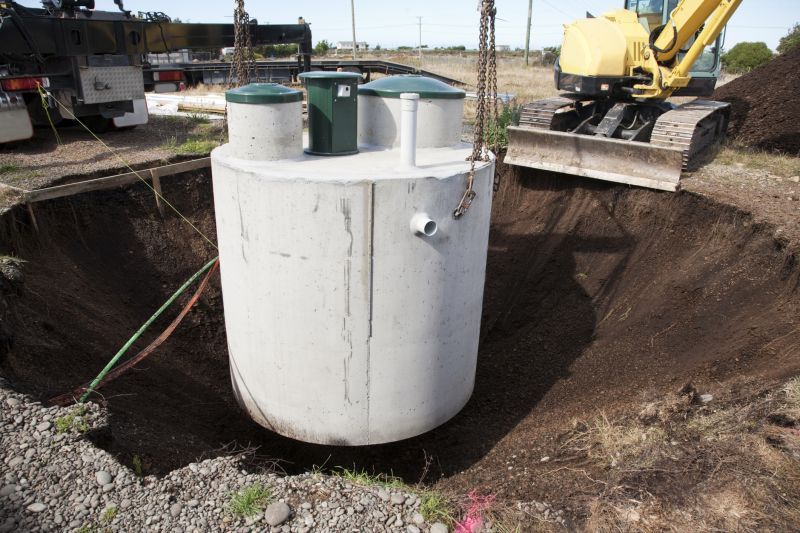
Excavation process during optimal seasons ensures proper site preparation.
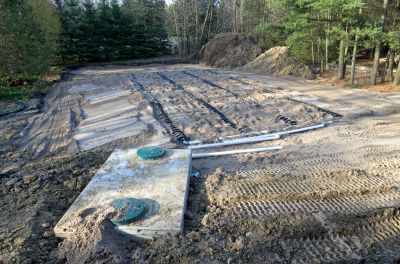
Soil testing is crucial before installation, best performed in suitable weather conditions.
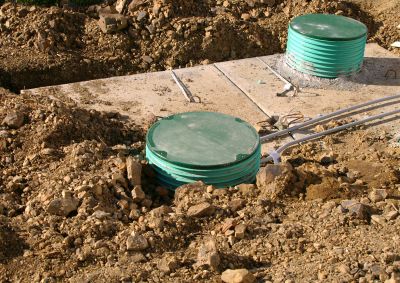
Proper installation during favorable weather reduces risks of future system failure.
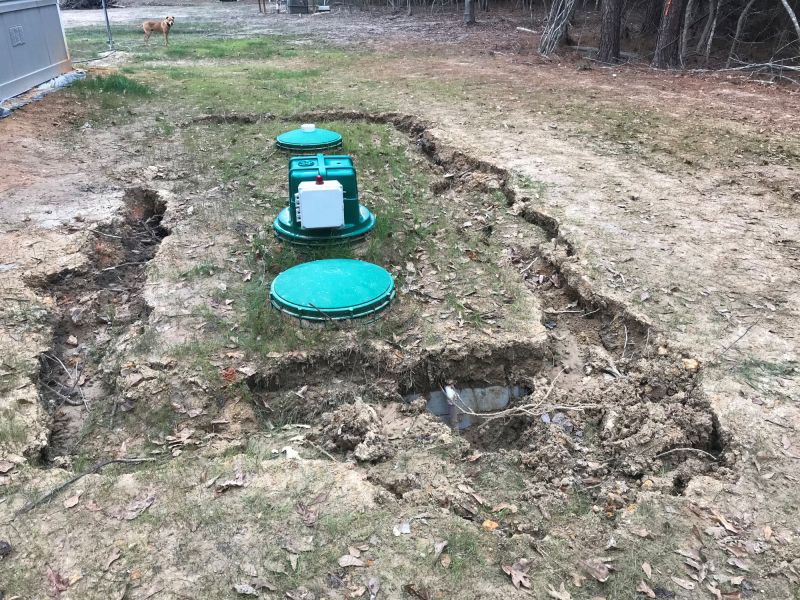
Ways to make Septic Installations work in tight or awkward layouts.
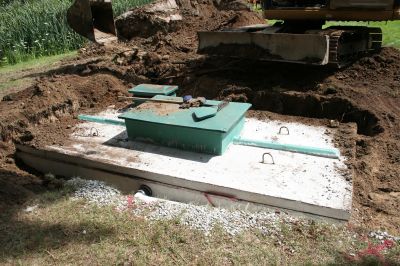
Popular materials for Septic Installations and why they hold up over time.
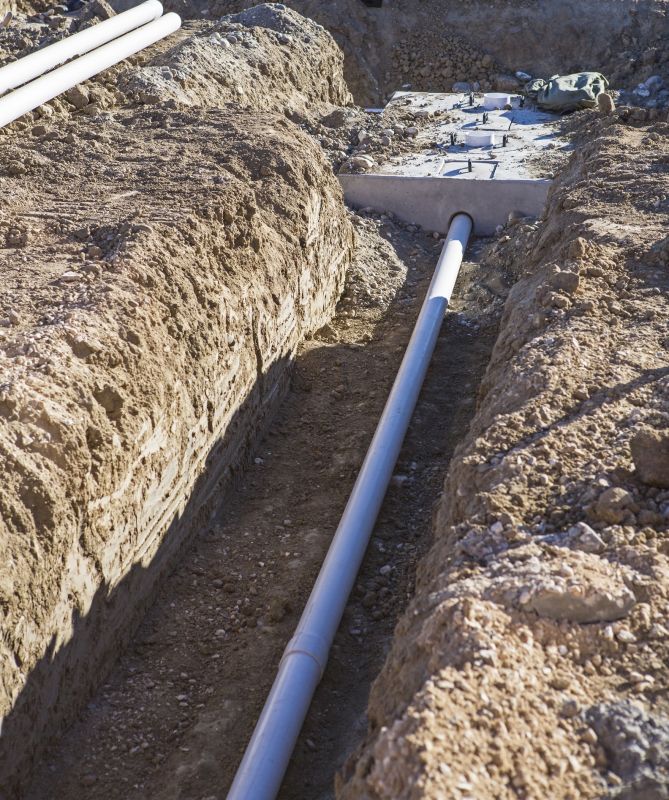
Simple add-ons that improve Septic Installations without blowing the budget.
| Season | Advantages |
|---|---|
| Spring | Moderate moisture, longer days, optimal for installation |
| Summer | Warm weather, longer working hours |
| Fall | Cooler temperatures, stable soil conditions |
| Winter | Frozen ground, generally unsuitable |
Septic installations are a critical component of onsite wastewater management, involving the placement of septic tanks and drain fields to treat household sewage. Proper timing ensures the system functions efficiently and reduces the risk of future issues. Seasonal considerations, such as soil moisture and temperature, influence the ease of installation and the system's longevity. Installing during appropriate weather conditions minimizes delays and potential complications, leading to a more reliable wastewater treatment system.
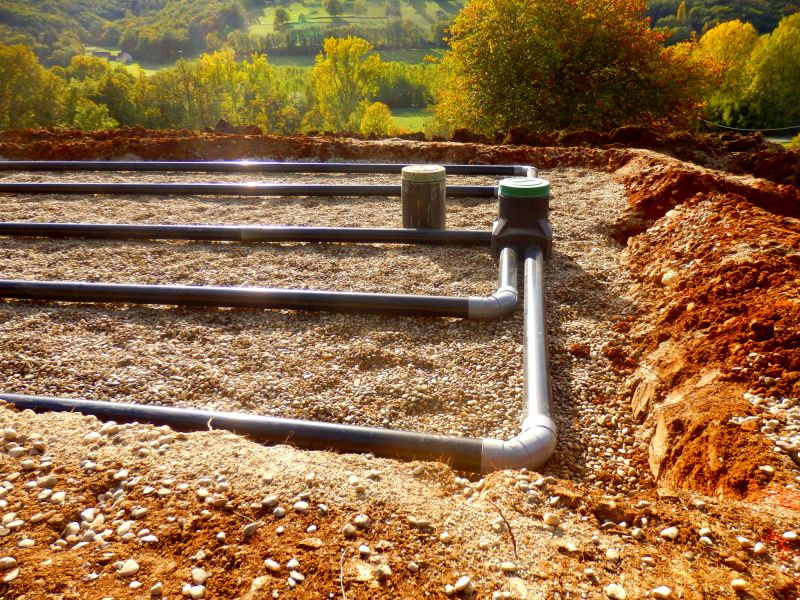
Overview of tanks, drain fields, and piping used in septic systems.
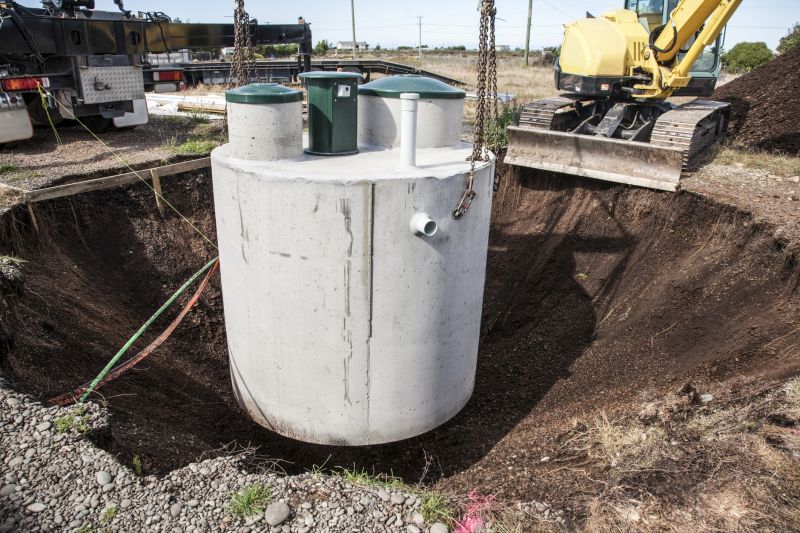
Excavation process in suitable weather conditions ensures proper placement.
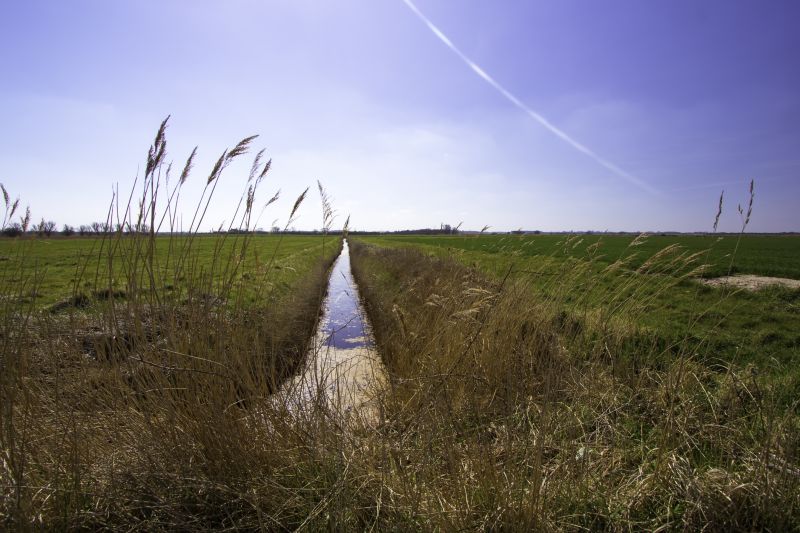
Preparing the drain field during optimal seasons promotes system efficiency.
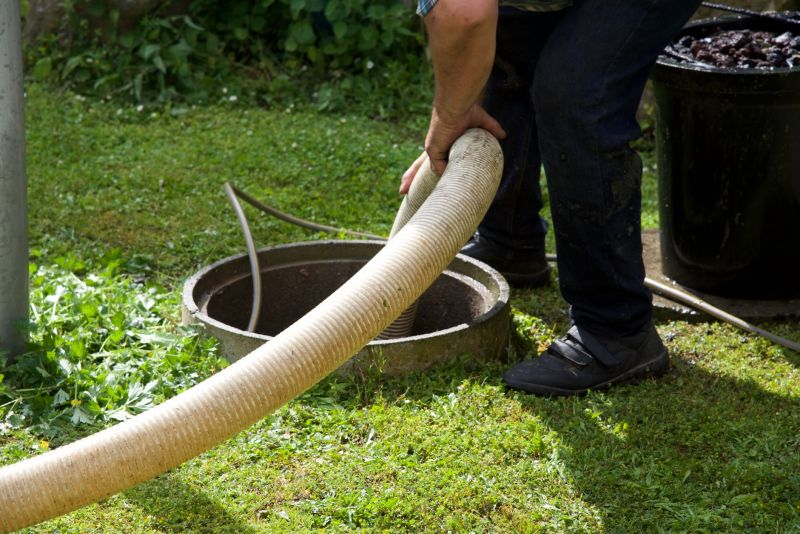
Inspection after installation confirms system readiness and proper setup.
Understanding the best time for septic installations can lead to more efficient setup and longer-lasting systems. Proper planning around seasonal conditions ensures soil and weather suitability, reducing the likelihood of future maintenance issues. For those considering a septic system, selecting the appropriate installation window is vital for optimal performance.
Fill out the contact form to inquire about septic installation services and schedule a consultation.